The support role in League of Legends is often misunderstood. Many players see it as the least impactful position on the map, but seasoned veterans know the truth: a great support can single-handedly dictate the outcome of a game. From controlling vision across the entire map to executing perfectly timed roams that snowball other lanes, the support role demands sharp game sense, selfless decision-making, and constant awareness. In this comprehensive guide, we will break down everything you need to know to master vision control and roaming as a support player.
Understanding the Support Role
At its core, the support role exists to enable your team. You do not farm minions for gold. Instead, you generate income through your support item and channel your resources into protecting your carry, providing vision, and creating advantages across the map. While other roles focus on dealing damage or soaking pressure, the support acts as the connective tissue that holds the team together.
A support player must be comfortable making sacrifices. You will often die so that your carry can live. You will spend gold on control wards instead of damage items. You will leave lane to help your jungler secure an objective even when your ADC protests. These choices are not glamorous, but they are the foundation of winning games at every level of play.
Your primary responsibilities include protecting your ADC during the laning phase, establishing and maintaining vision control around key objectives, roaming to influence other lanes when the timing is right, and providing utility during teamfights. Mastering each of these pillars will transform you from a passive lane partner into a proactive playmaker.
Types of Supports
Before diving into vision and roaming, it is important to understand the three main categories of support champions, as each type approaches these tasks differently.
Engage Supports
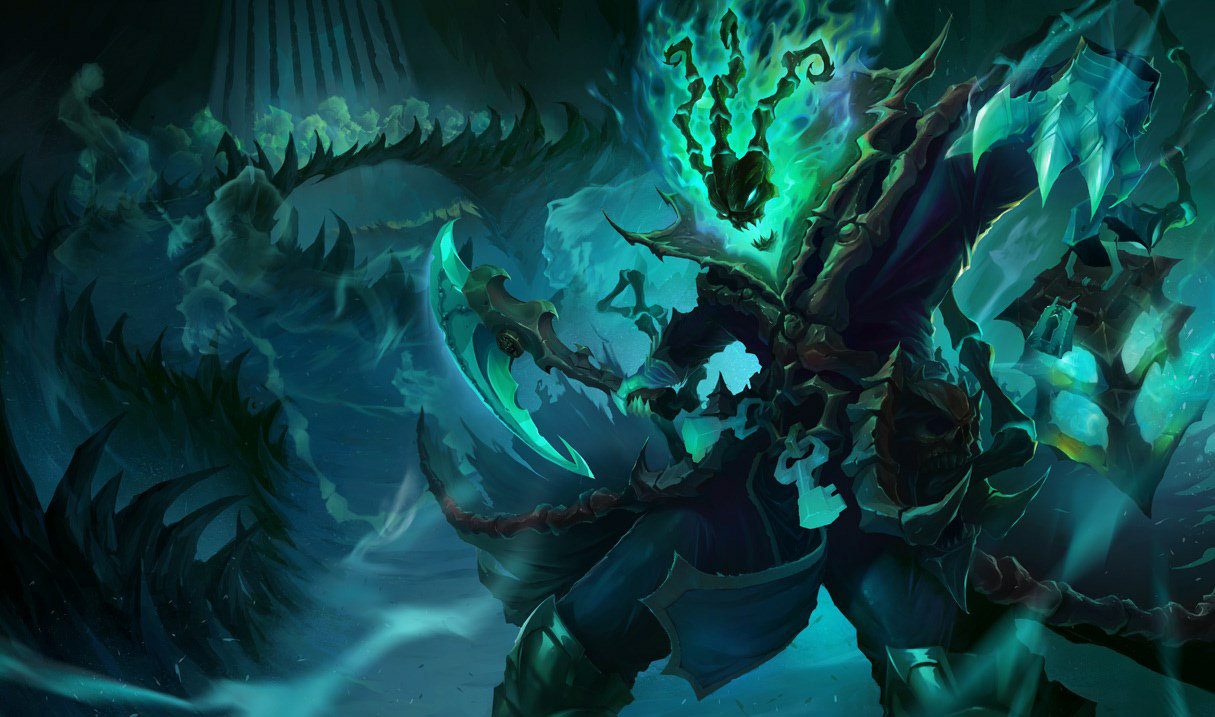
Champions like Leona, Nautilus, Thresh, and Alistar fall into this category. These supports excel at initiating fights with crowd control, locking down enemy carries, and creating picks. Engage supports are naturally strong roamers because their crowd control makes ganks highly effective. When an engage support shows up in the mid lane with a fully stacked combo, the enemy mid laner is often dead before they can react. In teamfights, engage supports either dive the enemy backline or peel for their own carries depending on the situation. Their tankiness also makes them excellent at face-checking bushes and contesting vision in dangerous areas.
Enchanter Supports
Champions like Lulu, Janna, Nami, Soraka, and Yuumi are enchanters. These supports focus on buffing allies with shields, heals, and movement speed while providing disengage tools to keep threats away from their carries. Enchanters are generally less aggressive roamers than engage supports, but they can still roam effectively when their ADC is safe under tower or after recalling. Their strength lies in amplifying the damage and survivability of fed teammates. In teamfights, enchanters position behind their carries and use their abilities to keep the team alive through sustained fights.
Mage Supports
Champions like Zyra, Brand, Vel'Koz, Xerath, and Lux bring significant damage to the bot lane. Mage supports trade some of the utility found in the other two categories for raw kill pressure. They can bully enemy laners with poke, secure kills with burst combos, and deal surprising amounts of damage throughout the game even on a support budget. Mage supports roam less frequently than engage supports but can make devastating plays when they do, particularly when their burst can one-shot a squishy target. In teamfights, they function almost like a second mid laner, dealing area-of-effect damage from the back line.
The Warding Guide: Where and When to Ward
Vision control is arguably the single most impactful skill a support player can develop. Knowing where and when to place wards separates good supports from great ones. A well-placed ward can prevent a gank, reveal an enemy rotation, or set up a game-winning pick.
Laning Phase Wards
During the early game, your warding priorities should focus on protecting your lane from jungle ganks and tracking the enemy jungler. The two most important early wards are the river bush ward and the tri-bush ward. On blue side, place a ward in the river bush near Dragon pit to spot incoming ganks from the enemy jungler. On red side, ward the tri-bush near your tower for the same reason. If you know the enemy jungler started on the opposite side of the map, you can delay your first ward and play aggressively for the first few minutes.
As a general rule, try to place your first ward around the 2:30 to 3:00 minute mark, which is when most junglers finish their initial clear and begin looking for gank opportunities. Always keep track of your ward timers and replace wards before they expire, leaving your lane exposed.
Mid-Game Wards
Once the laning phase ends and teams begin grouping around objectives, your warding patterns need to shift. Before Dragon or Baron spawns, you should begin establishing vision around the objective at least 60 seconds in advance. For Dragon, ward the enemy jungle entrances near bot lane, the blast cone area, and the pixel bush in the river. For Baron, mirror these placements on the top side of the map.
Deep wards placed in the enemy jungle are extremely valuable during the mid game. Placing a ward at the enemy raptor camp, for example, gives your team information about the enemy jungler's location and pathing. A ward at the enemy red or blue buff can alert you to invade opportunities or help you track rotations.
Late-Game Wards
In the late game, vision becomes even more critical because a single pick can end the game. Focus your wards on chokepoints, objective areas, and the flanks around your team's position. Control wards become invaluable for establishing permanent vision in key bushes. Always have a control ward in your inventory, no matter how late the game goes. Place control wards in bushes that your team is actively playing around, such as the bush near Baron or the bush in the middle of the river.
Sweeping and Denying Vision
Placing wards is only half of the vision equation. Denying enemy vision is equally important, and in some situations even more so. As a support, you should switch from your warding trinket to the Oracle Lens (sweeper) once you have completed your support quest item, which provides its own warding capability. This typically happens around the 8 to 10 minute mark.
Use your sweeper proactively before your team makes a play. If your jungler wants to gank your lane, sweep the river bush first to ensure the enemy has no vision of the approach. Before starting Dragon or Baron, sweep the surrounding area thoroughly to remove any enemy wards that could reveal your team's position. When setting up an ambush in a bush, always sweep it first to confirm there are no enemy wards inside.
Denying vision also means buying and placing control wards consistently. A control ward costs only 75 gold and can provide permanent vision while simultaneously denying enemy wards in the area. Over the course of a game, you should be purchasing between 5 and 15 control wards depending on the game length. Check the scoreboard after each game and compare your control ward purchases to those of the enemy support. If you are consistently buying fewer, you are leaving free value on the table.
Sweeping is also crucial when your team is behind. If you are losing, clearing enemy vision in your own jungle prevents the opposing team from making aggressive plays into your territory. Defensive sweeping around your tier-two towers and jungle entrances can buy your team the breathing room it needs to farm safely and scale into the late game.
Roaming Timers: When to Leave Lane
Knowing when to roam is one of the most nuanced skills in League of Legends. Roam at the wrong time and your ADC gets dove under tower. Roam at the right time and you create a massive advantage for your team. Here are the key windows to look for.
After Shoving the Wave
The safest time to roam is after your bot lane has pushed the minion wave into the enemy tower. The enemy bot lane will be busy farming under tower, your ADC will have time to farm safely, and you have a window of roughly 30 to 45 seconds before the wave bounces back. Coordinate with your ADC to shove the wave together before you leave.
After the ADC Recalls
When your ADC backs to buy items, you do not need to stay in lane alone. Use this time to place deep wards in the enemy jungle, roam to mid lane for a gank, or help your jungler with scuttle crab or an invade. Just make sure you are back in lane by the time your ADC returns.
When the Enemy Bot Lane Recalls
If the enemy ADC and support both recall, your ADC can farm freely. This is another excellent roaming window. Push the wave together first, then head mid or into the enemy jungle.
When Your ADC Is Dead
If your ADC dies in lane, there is no reason to sit there alone soaking experience while contributing nothing. Use the death timer to roam immediately. Every second counts, so move quickly and look for opportunities before your ADC respawns and needs you back in lane.
How to Roam Mid Effectively
The mid lane roam is the most common and often the most impactful roam a support can execute. Here is a step-by-step breakdown of how to do it effectively.
First, identify the roaming window using the timers described above. Second, sweep or ward the river as you move through it to ensure the enemy team does not spot your rotation. Third, communicate with your mid laner using pings. Let them know you are coming so they can set up the play by baiting the enemy forward or holding their crowd control.
Fourth, approach from an angle the enemy mid laner does not expect. Walking straight down the river is predictable and easy to spot. Instead, come through the enemy raptor camp or loop around behind them through the alcove. Fifth, commit to the play decisively. Hesitation gives the enemy time to react. If you are playing an engage support, land your key ability and all-in. If you are playing an enchanter, shield and speed up your mid laner as they go in.
Finally, evaluate the result and decide your next move. If the gank succeeds, help your mid laner push the wave and potentially take the mid tower. If it fails, return to bot lane quickly to minimize the time your ADC is left alone. Even an unsuccessful roam can create pressure if the enemy mid laner is forced to burn summoner spells like Flash or Barrier.
Lane Phase as Support
Your laning phase sets the foundation for everything else. Even the best roaming support in the world cannot compensate for a terrible early game. Here are the key principles to follow during the laning phase.
Positioning is paramount. Stand parallel to or slightly ahead of your ADC so you can threaten the enemy laners while staying close enough to protect your carry. Never stand behind your ADC unless you are critically low on health, as this gives the enemy lane free pressure. Use bushes to your advantage by standing inside them to create zone control. The enemy cannot trade efficiently with what they cannot see.
Level two is the most important power spike in bot lane. The first team to reach level two gains access to a second ability and a significant stat boost, which often leads to a kill or a summoner spell advantage. To hit level two first, help your ADC push the first wave quickly and then kill the first melee minion of the second wave. The moment you hit level two, look for an aggressive trade or all-in if the enemy is still level one.
Trading efficiently is essential. As a support, you should be looking to trade with the enemy whenever they step forward to last-hit a minion. Auto-attack the enemy ADC when they go for a cannon minion. Use your abilities when the enemy support wastes a key cooldown. Always be mindful of minion aggro, as early minion damage adds up significantly in the first few levels.
Managing your health and mana resources is also critical. Use your health potions and refillable potion charges proactively rather than hoarding them. If you are an enchanter, be mindful of your mana, as running out of mana in a crucial moment can cost you the lane. Back at appropriate times to replenish your resources and buy control wards.
Peeling in Teamfights
Teamfighting as a support requires a fundamentally different mindset compared to other roles. Your job is rarely to deal damage or make flashy plays. Instead, your primary objective is to keep your highest-value teammates alive while disrupting the enemy team's attempts to reach them.
Peeling means using your abilities and positioning to protect your carries from enemy divers and assassins. When a Zed ults your ADC, you need to exhaust him. When a Hecarim charges into your backline, you need to knock him away or lock him down with crowd control. When a Rengar leaps out of stealth, you need to have already positioned yourself between the threat and your carry.
The decision between peeling and engaging is one of the most important choices you will make in teamfights. As a general rule, peel for your carries if they are fed and represent your team's primary win condition. Engage onto the enemy carries if your own frontline is strong enough to protect your backline without your help, or if catching an enemy out of position can end the fight immediately.
Positioning in teamfights should mirror your carry's position. Stay close enough to use your abilities on them but far enough away that you do not get caught in the same area-of-effect abilities. Keep track of key enemy cooldowns. If the enemy Malphite has already used his ultimate, the biggest threat to your backline has been neutralized and you can play more aggressively for the remainder of the fight.
Exhaust and Ignite are powerful summoner spells in teamfights. Exhaust should be saved for the single biggest burst threat on the enemy team, whether that is an assassin or a fed ADC. Ignite can be used aggressively to secure kills or defensively to apply Grievous Wounds against healing-heavy champions like Soraka or Aatrox.
Support Itemization Basics
Itemization for support is more flexible than most players realize. Your builds should adapt to the game state rather than following a rigid path every game.
Start with your support item. Relic Shield and its upgrades suit melee engage supports, while Spellthief's Edge suits ranged poke and mage supports. Focus on completing your support quest as quickly as possible by earning gold through the item's passive. Once the quest is complete, your item upgrades and provides free wards, which is when you should switch to Oracle Lens.
Your first completed item should address the most pressing need in the game. If your team needs engage and tankiness, build Locket of the Iron Solari. If you are an enchanter and your ADC is performing well, rush Moonstone Renewer or Staff of Flowing Water to amplify their damage and survivability. Mage supports often build Zaz'Zak's Mutagenizer for additional poke damage and lane pressure.
Boots choice matters more than many supports think. Boots of Swiftness are strong for roaming and dodging skillshots. Ionian Boots of Lucidity provide ability haste, which is valuable on cooldown-dependent enchanters. Mercury's Treads and Plated Steelcaps are situational choices against heavy crowd control or auto-attack-heavy teams respectively.
Control wards should be a constant presence in your inventory. Many supports neglect buying control wards because they want to complete their items faster, but vision control is far more valuable than a slightly faster item spike. Budget 75 gold for a control ward on virtually every recall. Your inventory might feel tight, but that single control ward placed around Baron at the right moment can be worth more than an entire item.
Redemption remains a strong option for enchanters who want to impact teamfights from range. Knight's Vow is excellent for supports who want to protect a single carry. Zeke's Convergence pairs well with engage supports who can proc the passive reliably. Vigilant Wardstone is a powerful late-game purchase that increases your ward capacity and provides bonus stats based on your other completed items.
Putting It All Together
Mastering the support role is a journey that requires patience, selflessness, and a willingness to learn from every game. Focus on vision control as the single highest-impact habit you can develop. Buy control wards, sweep enemy wards, and place your own wards in locations that give your team actionable information. Build your roaming instincts by identifying windows where your ADC is safe and another lane can benefit from your presence. Refine your teamfight awareness by always knowing where the biggest threat is and positioning yourself to neutralize it.
Remember that support is not a passive role. You are not there to babysit your ADC and hope they carry. You are the player who shapes the map, controls the flow of information, and makes the plays that others cannot. Embrace that responsibility, and you will climb the ranked ladder faster than you ever thought possible from the support position.
Find Your Ideal Champion
Use our recommender to find the perfect pick for your next ranked game.
Try LoLSuggest