If you have ever finished a game of League of Legends wondering why your damage felt low or why you melted instantly in every fight, there is a good chance your item build was the problem. Itemization is one of the most impactful skills in the game, yet many players simply follow a single recommended build without thinking about why those items are chosen or whether they are actually optimal for the current match. This guide will walk you through the entire item system, explain when to prioritize damage versus defense, break down penetration mechanics, and teach you how to read the scoreboard to make smarter purchasing decisions.
Understanding the Core Item Stats
Before you can make intelligent itemization choices, you need to understand what each stat actually does for your champion. League of Legends items revolve around a handful of key statistics, and every purchase you make should be a deliberate investment in one or more of them.
Attack Damage (AD) increases the power of your basic attacks and any abilities that scale with AD. Champions like Jinx, Zed, and Riven rely heavily on AD to deal damage. AD is the primary offensive stat for marksmen, assassins, and most bruisers.
Ability Power (AP) amplifies abilities that scale with AP. Mages such as Syndra, Viktor, and Ahri build AP to maximize their spell damage. Some champions like Kai'Sa or Katarina can build AP even though they are not traditional mages, because their kits have strong AP ratios.
Armor reduces incoming physical damage. Every point of armor effectively gives you more health against AD-based threats. If the enemy team has a fed marksman or AD assassin, armor items become essential for survival.
Magic Resistance (MR) reduces incoming magic damage. Just like armor protects against physical threats, MR protects against mages and AP-heavy champions. Items like Force of Nature and Spirit Visage are staples when facing magic damage.
Health is the most straightforward defensive stat. It increases your total hit points, making you harder to kill regardless of the damage type you face. Health is especially valuable when the enemy team has a balanced mix of physical and magic damage, because it works against both.
Understanding these five core stats is the foundation of every itemization decision you will ever make. Every item in the shop is some combination of these stats plus a unique passive or active effect, and your job is to figure out which combination gives you the biggest advantage in any given game.
When to Build Damage vs. Defense
One of the most common questions players ask is whether they should build more damage or start buying defensive items. The answer depends on your role, your champion, the game state, and the enemy team composition.
If you are a carry (ADC or mid lane mage), your primary job is to deal damage. In most games, you should prioritize offensive items for your first two or three purchases. Your team is relying on you to be the damage threat, and building a defensive item too early can cripple your ability to fulfill that role. That said, there are exceptions. If you are constantly being dove by an assassin and cannot survive long enough to deal damage, a single defensive item like Guardian Angel or Zhonya's Hourglass can keep you alive long enough to make an impact.
If you are a bruiser or fighter, you typically want a mix of damage and defense. Champions like Darius, Camille, and Jax often build one or two damage items and then transition into tankier options. The key is to get enough damage to be a threat in fights while being durable enough to survive extended trades and teamfights.
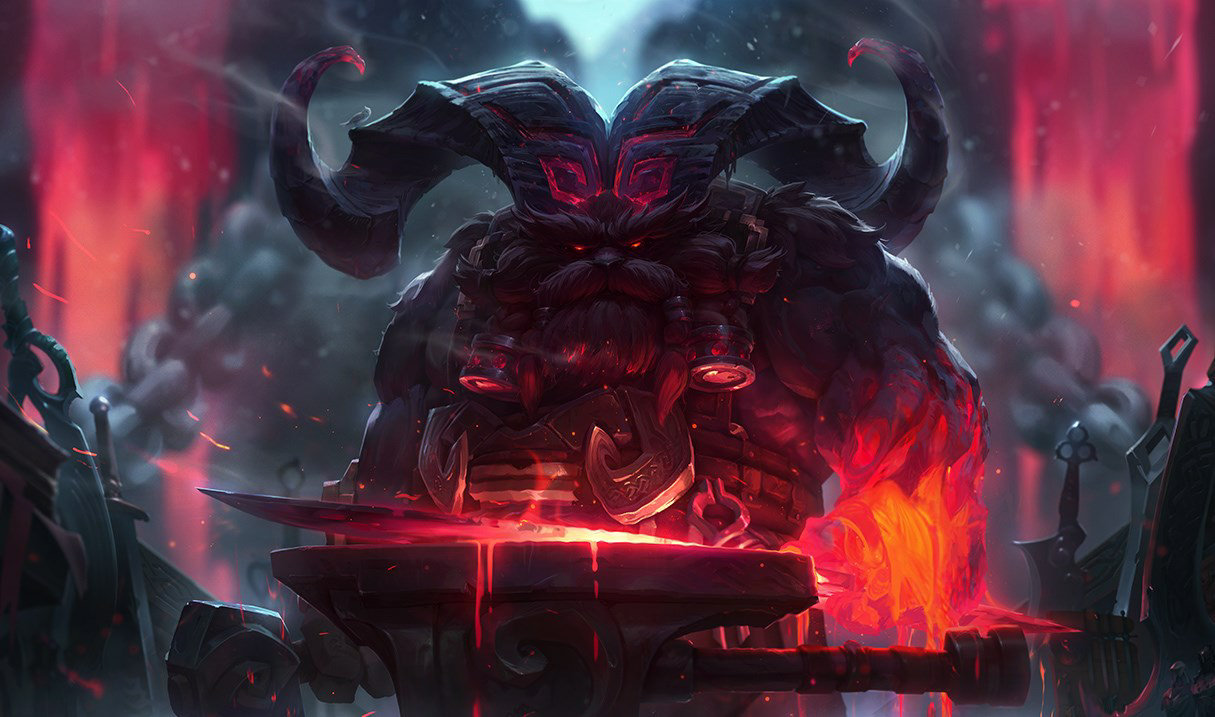
If you are a tank or support, your priority is almost always defense and utility. Tanks like Ornn, Maokai, and Leona need to be in the middle of fights soaking damage and providing crowd control. Building damage on these champions is rarely worthwhile because their base damages are usually sufficient and their scaling with offensive stats is low.
A useful rule of thumb: if you are ahead, lean slightly more into damage to press your advantage. If you are behind, consider defensive options earlier to avoid feeding further kills. A dead carry deals zero damage, no matter how many offensive items they have.
Armor Penetration vs. Lethality
This is one of the most misunderstood areas of itemization, and getting it right can dramatically increase your damage output. Both armor penetration and lethality help you deal more physical damage, but they work in fundamentally different ways.
Lethality is flat armor reduction. When you have lethality, you ignore a fixed amount of the target's armor. For example, if you have 18 lethality and your target has 50 armor, you treat them as if they have 32 armor. Lethality is most effective against squishy targets who have low base armor. This is why assassins like Zed, Talon, and Kha'Zix rush lethality items: they want to delete enemy carries who have minimal armor.
Armor Penetration (percentage) ignores a percentage of the target's total armor. If you have 35% armor penetration and your target has 200 armor, you treat them as if they have 130 armor. Percentage penetration becomes more valuable as the enemy's armor increases. This makes items like Lord Dominik's Regards essential when the enemy team has tanks stacking armor.
The general guideline is straightforward: build lethality when you are targeting squishy champions with low armor, and build percentage armor penetration when the enemy has tanky champions stacking armor. In many games, you may need both. An AD carry might build a lethality item early for lane dominance and then add Lord Dominik's Regards later when the enemy tanks become harder to cut through.
It is also worth noting that armor penetration and lethality stack multiplicatively. The game applies percentage penetration first, then flat penetration (lethality). This means having both types gives you the maximum possible damage against armored targets.
Magic Penetration Explained
Magic penetration works similarly to its physical counterpart but applies to magic damage. There are two types: flat magic penetration and percentage magic penetration.
Flat magic penetration comes from items like Sorcerer's Shoes and Shadowflame. Just like lethality, flat magic penetration is most effective against targets with low MR. If your opponent has 40 MR and you have 18 flat magic penetration, you effectively deal damage as if they have 22 MR. Against squishy targets, this can result in near-true damage.
Percentage magic penetration comes from Void Staff, which provides 40% magic penetration. Like Lord Dominik's Regards for physical damage, Void Staff becomes increasingly valuable as enemies stack MR. If the enemy team has two or more champions building MR items, Void Staff should be a priority purchase for any mage.
A common mistake among lower-ranked players is skipping penetration entirely and stacking raw AP. While more AP does increase your damage, penetration is often more gold-efficient once enemies start building resistances. Against a target with 100 MR, Void Staff can increase your effective damage by more than an extra 100 AP would.
Anti-Heal: Grievous Wounds Items
Healing is extremely powerful in League of Legends, and if the enemy team has significant healing, you need to build grievous wounds to counter it. Grievous wounds reduce all healing received by the affected target, making it an essential counter to champions like Soraka, Yuumi, Aatrox, Vladimir, Swain, and any ADC building lifesteal.
There are grievous wounds options for every class of champion. AD champions can build Mortal Reminder, AP champions can pick up Morellonomicon, and tanks or supports can buy Thornmail or Bramble Vest. The key is to identify early whether the enemy team has enough healing to warrant a grievous wounds purchase and to buy it before the healing becomes unmanageable.
However, do not fall into the trap of always building anti-heal. If the enemy team has minimal healing, spending gold on a grievous wounds item wastes a slot that could be used for a more impactful purchase. Check the enemy team composition during loading screen and in the first few minutes of the game. If you see healing-heavy champions or if someone is rushing lifesteal, plan your grievous wounds purchase accordingly.
Timing matters as well. Building an early Executioner's Calling against a sustain-heavy lane opponent like Nasus or Aatrox can cripple their ability to survive trades. Waiting too long to buy anti-heal against a Soraka support can allow the enemy bot lane to dominate through attrition.
Understanding the Item System
League of Legends uses a tiered item system. Component items are cheap and provide small stat bonuses, while completed items are expensive but offer powerful passive or active effects in addition to better raw stats. Understanding how to navigate this system efficiently is crucial.
Build paths matter. When choosing between two items with similar stats, consider their build paths. An item with a smooth build path made up of inexpensive components is easier to buy on successive backs than an item that requires you to save up for a single expensive component. Being stuck in base with 1200 gold and nothing useful to buy feels terrible and puts you behind.
Item spikes are real. Completing a major item often gives you a significant power spike because of the unique passive or active it provides. Knowing when you hit your power spikes and when the enemy hits theirs can help you decide when to fight and when to play safe. For example, a marksman completing Infinity Edge gets a massive damage boost, making that a great time to force a fight.
Do not be afraid to sit on components. Sometimes the most gold-efficient play is to buy a component item and sit on it before completing it later. An early Executioner's Calling for grievous wounds or a Chain Vest against a full AD team can be more valuable than rushing your next full item.
Situational Items: Adapting Every Game
The best players in the world do not follow the same build every game. They adapt their itemization based on the specific circumstances of each match. Here are some common situations and how to adjust your build.
Against heavy CC: If the enemy team has a lot of crowd control, consider buying a Quicksilver Sash (QSS) or Silvermere Dawn. These items let you cleanse a CC effect, which can be game-changing against champions like Malzahar, Skarner, or Mordekaiser whose ultimates can otherwise guarantee your death.
Against burst damage: If an enemy assassin is one-shotting you, items like Zhonya's Hourglass (for AP champions) or Guardian Angel (for AD champions) provide a second chance. Stopwatch, the component item, is one of the most gold-efficient defensive purchases in the game and can single-handedly turn a fight.
Against sustained damage: If the enemy team has champions that deal consistent damage over time, health and resistances are more valuable than burst-prevention items. Randuin's Omen is excellent against crit-based ADCs, while Force of Nature helps against sustained magic damage dealers like Cassiopeia or Ryze.
Against split-pushers: If the enemy has a strong split-pusher, the player tasked with matching them may need specific items. Dueling items with sustain and on-hit effects can help you hold your own in side lanes.
Boots: More Than Just Movement Speed
Boots are one of the most important purchases in the game, yet many players buy them on autopilot without considering which upgrade is optimal. The movement speed from basic boots is essential for dodging skillshots, roaming, and positioning in fights, but the upgraded boots provide meaningful combat stats as well.
Plated Steelcaps (formerly Ninja Tabi) reduce incoming damage from basic attacks by 12%. These are the go-to choice against auto-attack-heavy champions like Tryndamere, Yasuo, and most ADCs. Do not underestimate this passive; it is one of the most gold-efficient defensive stats in the game.
Mercury's Treads provide MR and tenacity, which reduces the duration of crowd control effects. Buy these when the enemy team has significant CC and magic damage. Against a team with a Leona support, Elise jungle, and Syndra mid, Mercury's Treads are practically mandatory.
Sorcerer's Shoes give flat magic penetration, making them the default choice for most mages. The penetration from these boots can increase your early-game burst significantly, especially against targets who have not yet built MR.
Berserker's Greaves provide attack speed, making them standard for most ADCs and some on-hit champions. The attack speed helps you deal more sustained damage in fights and farm more efficiently.
Ionian Boots of Lucidity grant ability haste, which reduces your cooldowns. These are popular on support champions, some mages, and champions who rely heavily on ability rotations rather than raw damage stats.
Choosing the right boots requires you to evaluate both the enemy team and your own champion's needs. A mage who is being repeatedly killed by an AD assassin might benefit more from Plated Steelcaps than from Sorcerer's Shoes, even though the offensive option is typically preferred.
How to Read the Scoreboard to Decide Items
One of the most actionable skills you can develop is reading the scoreboard (press Tab) to inform your item purchases. Here is what to look for every time you prepare to back and shop.
Check the enemy team's damage split. Are they mostly physical, mostly magic, or mixed? If four out of five enemies deal physical damage, stacking armor is far more efficient than splitting your gold between armor and MR. Conversely, if they are heavily AP, prioritize MR.
Look at who is fed. If the enemy Zed is 7-0 and their ADC is 0-4, you should itemize against Zed specifically. Building armor and possibly a Stopwatch is far more important than generalized defensive stats when one enemy is the primary threat.
Check enemy items. If you see the enemy ADC building critical strike items, Randuin's Omen becomes more valuable. If the enemy mage has Void Staff, you know your MR is being reduced significantly and you may need additional health to compensate. If the enemy is building lifesteal or sustain, it is time to invest in grievous wounds.
Note your team's needs. If your team lacks a frontline, you may need to adjust your build to be slightly tankier even on a carry champion. If your team has no anti-heal and the enemy Aatrox is running rampant, someone needs to step up and buy it, and that someone might need to be you.
Track gold differences. If you are significantly behind in gold, expensive damage items become harder to complete and less impactful. Cheaper defensive options can help you stay relevant and avoid becoming a liability. If you are ahead, pressing your advantage with aggressive items can snowball the game in your favor.
Common Itemization Mistakes
Even experienced players fall into bad itemization habits. Here are the most frequent mistakes and how to avoid them.
Blindly following recommended builds. The recommended items in the shop are based on general popularity, not your specific game. A build that works against a squishy team will underperform against a tanky composition, and vice versa. Use recommended builds as a starting point, but always think critically about whether each item makes sense.
Ignoring defensive items on carries. Some players refuse to build any defense because they want maximum damage output. This mentality leads to getting one-shot repeatedly and contributing nothing to teamfights. A single defensive item can double your effective damage output by keeping you alive long enough to actually use your abilities and auto-attacks.
Building too much defense on carries. The opposite extreme is also a problem. If you are a marksman with three defensive items, your team effectively has no ADC. Find the right balance: usually one defensive item is sufficient for most carry champions.
Not adjusting builds between games. If you build the exact same six items every game regardless of the enemy team, you are leaving a lot of power on the table. Adaptability is the hallmark of a strong player.
Buying grievous wounds when it is unnecessary. Not every game requires anti-heal. If the enemy team has no significant healing, that gold is better spent on other stats. Evaluate the enemy team before committing to a grievous wounds item.
Completing items inefficiently. Sometimes players rush to complete an expensive item when a cheaper component would give them a bigger immediate advantage. For instance, sitting on a Bramble Vest and building toward your next item can be more efficient than finishing Thornmail right away if the passive from Bramble Vest is all you need.
Neglecting boots upgrades. Boots are one of the most cost-effective purchases in the game. Delaying your boot upgrade too long can leave you vulnerable to skillshots, ganks, and unfavorable trades where the enemy can simply outrun you.
Forgetting about item actives. Some items have powerful active effects that need to be used to get full value. Zhonya's Hourglass, Gargoyle Stoneplate, and Redemption all require you to press a button at the right moment. If you buy an active item and never use its active, you are wasting gold.
Putting It All Together
Great itemization is not about memorizing a single build path. It is about understanding what each stat does, evaluating the enemy team composition and game state, and making informed decisions every time you visit the shop. Start by learning the core stats and what they counter. Then practice reading the scoreboard before each purchase. Over time, adapting your build will become second nature, and you will notice a meaningful improvement in your win rate.
Remember that itemization is a skill just like last-hitting or map awareness. It improves with deliberate practice. Challenge yourself to think about every purchase you make for the next ten games rather than following the same static build. Ask yourself: what is the enemy team doing, who is the biggest threat, and what item gives me the best chance of winning right now? When you start answering those questions consistently, you will climb faster than you ever thought possible.
Find Your Ideal Champion
Use our recommender to find the perfect pick for your next ranked game.
Try LoLSuggest